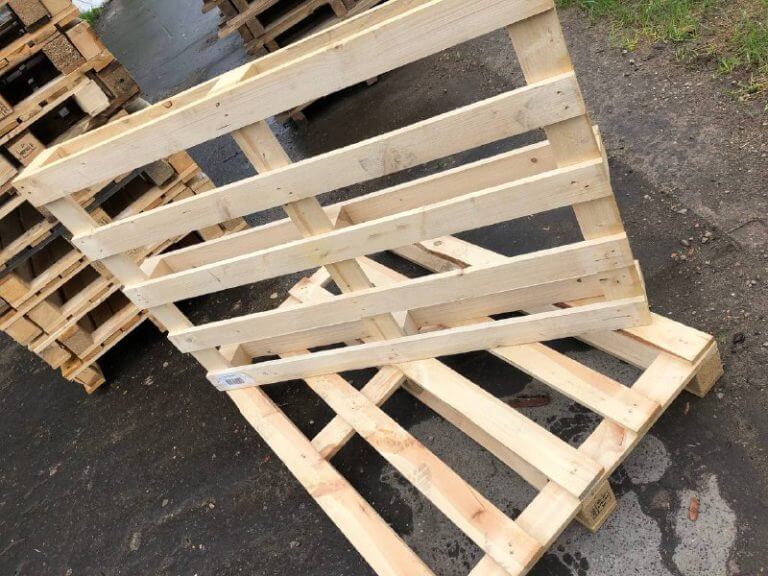
What Is Wooden Pallets Vendor And Why Is Everyone Talking About It?
Understanding the Role of Wooden Pallet Vendors in Modern Supply Chains
Wooden pallets are an important element of the shipping and logistics markets, forming the backbone of carrying products safely and effectively. As services continue to grow and expand their supply chains, the demand for premium wooden pallets has actually risen. This blog site post checks out the role of wooden pallet suppliers, the factors affecting their selection, and the services they use.
The Importance of Wooden Pallets
Wooden pallets are critical in the logistics sector for a number of factors:
- Durability: Wooden pallets are strong enough to hold heavy loads, making them appropriate for different industries, from agriculture to production.
- Cost-Effective: Compared to plastic or metal pallets, wooden pallets are generally more affordable and widely available.
- Sustainability: Sourced from renewable resources, wooden pallets can be recycled and reused, making them an eco-friendlier option.
- Versatility: They can be found in various sizes and styles, accommodating varied company needs.
- Easy Maintenance: Wooden pallets can be easily fixed or reconditioned, lengthening their lifespan.
Table 1: Comparison of Pallet Materials
Material
Sturdiness
Expense
Environmental Impact
Weight Capacity
Wood
High
Low
Moderate
1500-3000 pounds
Plastic
Moderate
Moderate
Low
1000-2000 pounds
Metal
Very High
High
Moderate
2000-4000 lbs
The Role of Wooden Pallet Vendors
Wooden pallet suppliers function as suppliers and producers, ensuring that services have access to the pallets they require. The services they provide can differ significantly depending on the vendor and the particular requirements of their clients.
Key Services Provided by Wooden Pallet Vendors
- Production: Vendors typically produce pallets from scratch, using numerous kinds of wood to meet specific consumer requirements.
- Repurposing and Recycling: Many vendors offer programs to recycle old pallets, decreasing waste and promoting sustainability.
- Custom-made Designs: Vendors can produce tailored pallets tailored to specific dimensions or load requirements, catering to special service operations.
- Repair work Services: Instead of acquiring new pallets, vendors typically provide repair services to extend the life of existing pallets.
- Rental Options: Some vendors provide rental programs, allowing companies to use pallets without the burden of ownership.
Table 2: Services Offered by Vendors
Service
Description
Production
Development of pallets suited to consumer requirements.
Recycling and Repurposing
Programs to recycle old pallets and reduce waste.
Custom-made Designs
Tailored pallets to satisfy special size and weight requirements.
Repair work Services
Maintenance alternatives for extending the life of pallets.
Rental Options
Versatile rental arrangements for momentary pallet needs.
Elements to Consider When Choosing a Wooden Pallet Vendor
Choosing a dependable wooden pallet vendor is important for preserving efficient operations. Here are some factors organizations need to think about:
- Quality: Assess the quality of materials used in producing pallets. Premium wood needs to be devoid of problems that could jeopardize load integrity.
- Cost: Compare pricing amongst various suppliers while thinking about the worth of the service used.
- Modification Options: Evaluate the ability of suppliers to supply customized pallet options.
- Sustainability Practices: Choose vendors committed to sustainable practices, such as recycling and using environment-friendly materials.
- Client Reviews: Research online evaluations and reviews to determine vendor dependability and client service.
Frequently Asked Questions About Wooden Pallet Vendors
1. What kinds of wood are frequently used for pallets?
Common kinds of wood consist of pine, oak, and birch. Pine is often used for its light-weight and cost-effectiveness, while oak provides higher resilience.
2. Are wooden pallets safe for foodstuff?
Yes, wooden pallets can be safe for food packaging, specifically if they are made from unattended wood. It's vital to validate compliance with food safety guidelines.
3. How long do wooden pallets usually last?
The life expectancy of wooden pallets can differ based upon usage and maintenance but normally ranges from 5 to 10 years.
4. Can I recycle my old wooden pallets?
Yes, numerous wooden pallet suppliers provide recycling programs. agronytradingllc.com can return old pallets to the vendor for refurbishment or recycling.
5. What are the benefits of renting pallets?
Renting pallets can conserve expenses, as it removes the need for purchases and maintenance. It likewise provides flexibility for temporary needs.
As the demands of the logistics and shipping industries continue to evolve, the function of wooden pallet suppliers stays critical. By understanding the importance of these vendors, the services they offer, and the aspects affecting their selection, companies can make educated choices that improve their supply chain efficiency. The option of vendor can substantially affect performance, sustainability, and cost-effectiveness, making it important for organizations to examine their options thoroughly.
Whether aiming to purchase, rent, or recycle, the ideal wooden pallet vendor can help with smoother operations and add to a greener future.